How Dental Crowns Protect Weak Teeth from Further Damage

A weak tooth rarely announces itself with drama at first. More often, it starts as a small crack line that catches the light, a filling that feels slightly different when you chew, or a dull awareness that one side of your mouth has become your “careful side.” People usually adapt before they seek treatment. They chew softer foods, avoid ice, and tell themselves they will deal with it after the next busy week. The trouble is that weakened teeth tend to get worse under pressure, and the pressure inside a human mouth is relentless.
That is where Dental Crowns play a practical, protective role. A crown is not just a cosmetic cover. In the right case, it acts like a custom-fitted shield that wraps around a damaged or vulnerable tooth and helps it withstand daily forces that would otherwise drive cracks deeper, split cusps, or break away already-thinned tooth structure. When a crown is recommended, the goal is often less about making a tooth look perfect and more about preventing a manageable problem from becoming a painful, expensive one.
Understanding how crowns work helps patients make better decisions. It also makes it easier to see why dentists sometimes recommend a crown even when a tooth is not hurting very much. Pain is not always the first sign of trouble. Structural weakness often shows up before symptoms become severe.
What makes a tooth “weak”
A healthy tooth is remarkably durable, but it is not indestructible. Enamel is hard, yet brittle. Dentin underneath has some flexibility, but once too much natural structure is lost, the whole tooth becomes more vulnerable to bending and fracture under biting forces.
Several common situations leave a tooth weakened. A large filling is one of the biggest culprits. When decay is removed and replaced with filling material, the tooth may function well for years, but if the restoration takes up a substantial portion of the biting surface, the remaining walls of the tooth can become thin. Every time you bite down, those walls flex slightly. Over time, that repeated stress can lead to tiny fractures.
Root canal treatment is another common reason for weakness. Contrary to a popular myth, the tooth does not become “dead and brittle” simply because the nerve is removed. The bigger issue is structural loss. Teeth that need root canals have usually already suffered from deep decay, large fillings, or trauma. By the time treatment is complete, there may not be much strong tooth left to hold up under normal chewing.
Cracks also matter, even when they are not obvious. A molar with an incomplete crack can feel perfectly fine most of the day and still be at high risk. One hard bite on a nut, popcorn kernel, or olive pit can turn a repairable tooth into one that splits vertically and must be extracted. That is one of the most frustrating scenarios in practice because the patient often felt only intermittent symptoms before the fracture became catastrophic.
Teeth can also weaken from grinding, acid erosion, old restorations that are breaking down, trauma, or simple wear over time. The older the restoration, the more carefully the surrounding tooth structure needs to be assessed. Many people have fillings placed in their twenties or thirties that have worked hard for decades. Eventually, the tooth-restoration complex can start to fail at the margins or along the cusps.
How a crown changes the forces on a damaged tooth
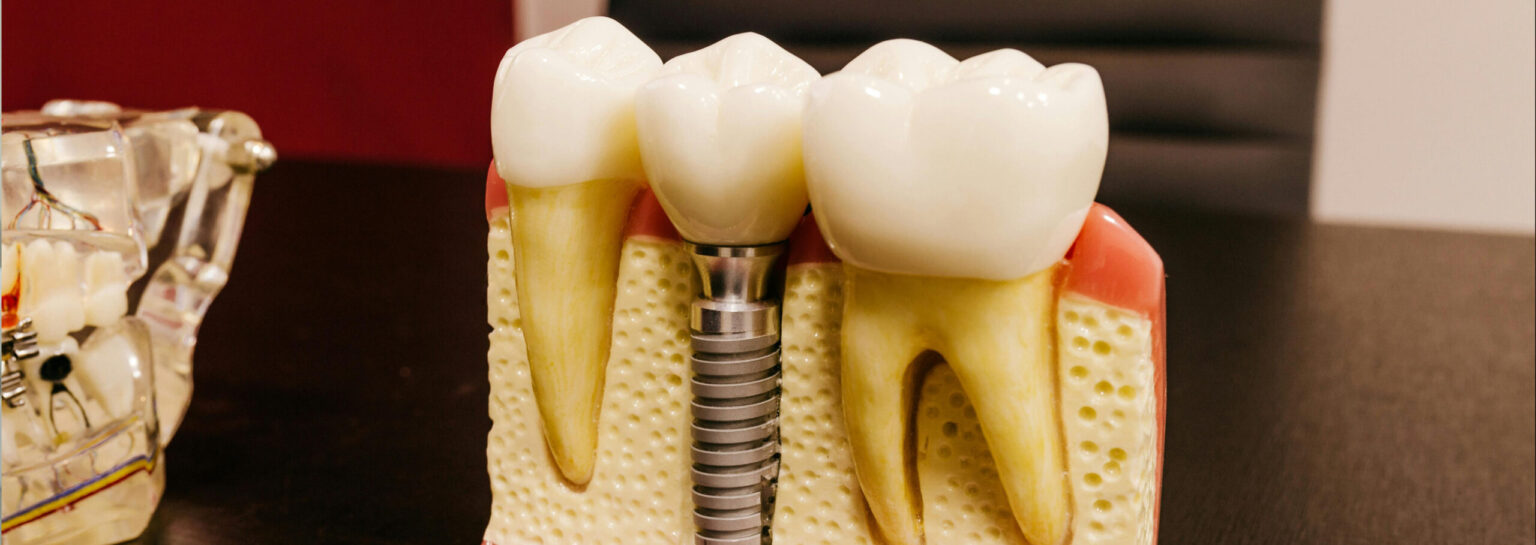
A Dental Crown protects a weak tooth primarily by redistributing force. Instead of allowing pressure to concentrate on thin enamel walls or unsupported cusps, the crown covers and braces the tooth from the outside. That changes the way biting loads are absorbed.
Think about a tooth with a large old filling in the center. The remaining sides of the tooth may look adequate, but they are often like the walls of a hollow shell. If one cusp takes a hard lateral force while chewing, it can shear off. A crown reduces that risk by encircling the tooth and binding those weakened walls together.
This matters most on back teeth. Molars and premolars bear heavy chewing forces, often far more than patients realize. During routine chewing, forces can be substantial. During clenching or grinding, they can rise dramatically. A structurally compromised molar is simply not designed to tolerate those stresses indefinitely without reinforcement.
Crowns also protect by sealing vulnerable surfaces. Once a tooth has deep restorative work, exposed dentin, or crack lines, the crown can serve as a barrier against temperature changes, bacterial leakage, and further breakdown Dental Crowns around older fillings. It is not a magic shield that stops all future decay, but it gives the tooth a more unified, durable outer form.
The best crowns are designed with this mechanical reality in mind. The dentist is not just replacing shape. They are restoring function, contour, and strength in a way that works with the patient’s bite. That is why crown design is both technical and highly judgment-based. A crown that looks fine on a model can still fail if the bite is too high, the margins are poorly adapted, or the remaining tooth was not properly assessed beforehand.
When a filling is no longer enough
Patients often ask why a tooth cannot simply receive another filling. Sometimes it can. Conservative treatment is usually preferable when enough strong tooth remains. But there is a threshold where another filling becomes a short-term fix on a long-term structural problem.
A useful rule of thumb is that the more of the biting surface and cusps a tooth has lost, the less predictable a standard filling becomes. This is especially true if the tooth already has multiple repairs. Replacing one large filling with an even larger filling can sometimes leave the tooth more fragile than before.
The distinction is not just about cavity size. It is about what remains. Two teeth may have similar-looking restorations on X-rays yet very different prognosis because one still has thick, well-supported enamel walls and the other has undermined cusps that flex under pressure. An experienced dentist reads both the image and the physical behavior of the tooth.
There are also cases where a tooth is not badly decayed but has a crack pattern that suggests it needs full coverage. A patient may report sharp pain on release when chewing, which often points to a crack. If the tooth can still be saved, a crown may stabilize it and reduce crack propagation. Delay can be costly. Once a crack extends below the gum line or down the root, the prognosis changes sharply.
The situations where crowns are especially protective
Crowns are not routine for every tooth, but there are certain scenarios where they reliably reduce the risk of further damage.
- Teeth with very large fillings that leave thin remaining walls
- Back teeth after root canal treatment, especially molars
- Teeth with cracked cusps or symptoms suggesting structural fracture
- Teeth worn down by grinding or severe erosion
- Teeth rebuilt after trauma or extensive decay
This is where timing matters. A crown placed before a tooth fractures is often straightforward. A crown attempted after a major fracture can become far more complicated, or no longer possible.
What the crown preparation actually does
People sometimes worry that preparing a tooth for a crown means weakening it further, and in a limited sense, some healthy outer tooth structure is reduced to make room for the material. That concern is understandable. The key question is whether the reduction creates a stronger overall result than leaving a damaged tooth as it is.
In many cases, the answer is yes. Crown preparation removes unsupported enamel, reshapes fragile areas, and creates a form that can securely hold a restoration with adequate thickness. Done properly, it is not random drilling. It is controlled redesign. The dentist is balancing preservation with protection, taking away what is likely to fail and creating a foundation that a crown can reinforce.
Material choice affects how much reduction is needed. All-ceramic crowns can look excellent and work well, but they require enough thickness to resist fracture. Metal-based or gold restorations can sometimes be made thinner and have a long track record for durability, particularly on back teeth. There is no single best material for every case. The right option depends on the tooth’s location, bite forces, visibility when smiling, and how much natural structure remains.
This is one reason quick online comparisons of crown materials can be misleading. A material that is ideal for a front tooth in a light bite may Dental Crowns not be ideal for a heavily loaded molar in a patient who grinds at night. Good treatment planning is personal, not generic.
Crowns do not make a tooth invincible
A crown can dramatically improve a weak tooth’s odds, but it does not erase all risk. Teeth can still decay at the margins if plaque control is poor. Crowns can chip, loosen, or wear. A cracked root cannot always be saved by covering the top of the tooth. If the remaining foundation is too compromised, even an excellent crown may only offer limited longevity.
That is why prognosis discussions matter. A crown may extend the life of a tooth by many years, sometimes well over a decade, but no honest dentist should describe it as permanent. Longevity depends on the starting condition of the tooth, bite habits, oral hygiene, diet, and the quality of the restoration.
Patients also need to understand that sensitivity can persist briefly after placement, especially if the tooth was already inflamed or heavily restored. That does not mean the crown failed. It does mean the tooth should be monitored carefully, because structure and nerve health are related but not identical issues. A tooth can be structurally protected and still later need root canal treatment if the pulp was already compromised.
The role of the temporary crown
Temporary crowns are often underestimated, yet they serve a useful purpose. They protect the prepared tooth between visits, help maintain spacing and bite position, and let the patient “test drive” the basic contours. A temporary that falls off repeatedly or feels unstable can offer early clues about retention, bite dynamics, or parafunctional habits.
Patients sometimes treat temporaries casually because they know a permanent crown is coming. That is understandable, but it is unwise. A prepared tooth without proper protection can become sensitive, shift slightly, or suffer damage that complicates the final fit. Avoiding sticky foods and being gentle on that side of the mouth for a short period can prevent avoidable setbacks.
Fit matters as much as material
A beautifully marketed crown material cannot compensate for poor fit. Margins that are rough or open invite plaque retention and leakage. Contact points that are too loose trap food. Bite discrepancies can create soreness, headaches, or concentrated stress that fractures porcelain.
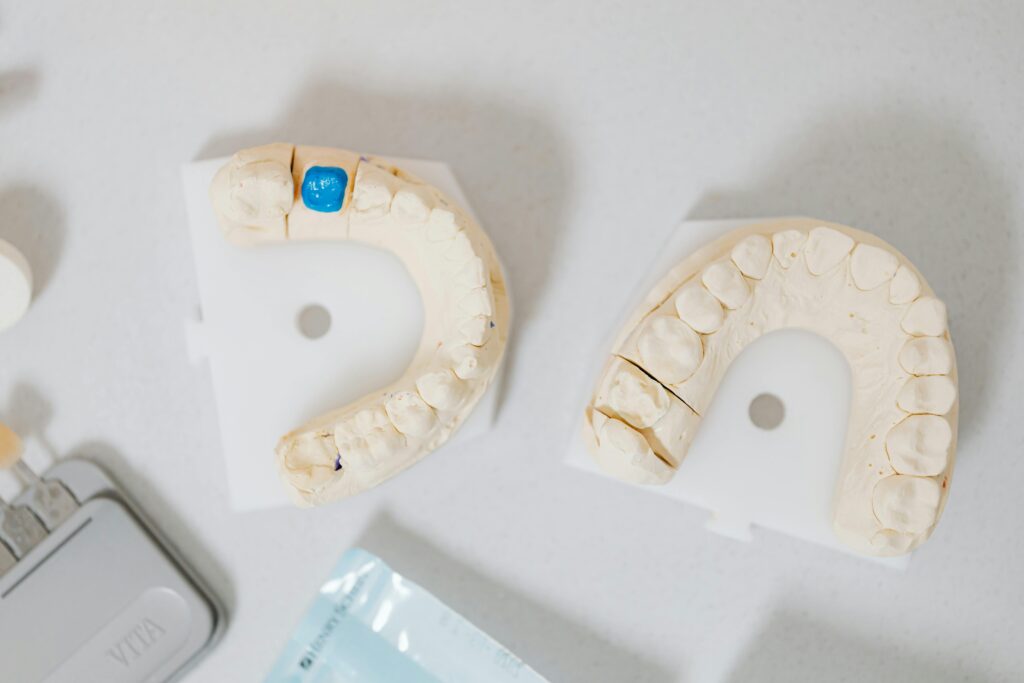
The strongest crowns tend to come from careful fundamentals: sound diagnosis, clean impressions or high-quality scans, a well-shaped preparation, accurate shade and contour planning where appearance matters, and precise bite adjustment at delivery. Patients often focus on whether a crown is zirconia, porcelain-fused-to-metal, or another type, but the craftsmanship of the process often matters just as much as the brand of material.
This is especially true with teeth that are already on the edge structurally. If a weak tooth is going to be saved predictably, the crown needs to fit and function as part of the bite, not just occupy space.
How crowns compare with other options
Not every compromised tooth needs full coverage, and not every tooth can be saved with a crown. Sometimes an onlay, which covers part of the tooth and one or more cusps, provides enough protection while preserving more natural structure. In other cases, extraction and replacement may become the more rational choice, particularly when decay extends too far below the gum line or the root is fractured.
The trade-off is usually between conservation and predictability. More conservative restorations preserve tooth tissue, which is good. But if the remaining tooth is too weak, being conservative can be false economy. A less invasive restoration that fails in two years and leads to emergency treatment may not be the better outcome.
That judgment becomes even more nuanced in younger patients, who may have larger pulps and more sensitivity risk, and in older patients, who may have existing gum recession, root exposure, or complex bite wear. There is no formula that replaces clinical judgment.
Signs a crowned tooth still needs attention
Once a crown is in place, most patients can use the tooth normally. Still, certain symptoms deserve prompt evaluation. They do not always mean the crown is failing, but they should not be ignored.
- Pain when biting or releasing pressure
- Food packing consistently around the crowned tooth
- A new rough edge, chip, or visible crack
- Persistent sensitivity that does not gradually improve
- Swelling, gum tenderness, or a bad taste near the tooth
Early review can be the difference between a small adjustment and a much larger repair.
Daily habits that determine how long a crown protects the tooth
The crown itself does not decay, but the tooth underneath and around it certainly can. The margin where crown meets tooth is the critical zone. If plaque sits there day after day, recurrent decay can develop silently until the crown loosens or the tooth becomes symptomatic.
Home care matters. So do diet and habits. Frequent acidic drinks, constant snacking, and nighttime grinding all shorten the life expectancy of dental work. Patients who clench often benefit from a properly fitted night guard, especially when they have crowns on back teeth. That simple step can protect not only the crowned tooth but the entire dentition.
Regular maintenance also helps dentists spot problems before they become obvious. An X-ray may reveal decay under a margin long before the patient feels anything. A brief bite adjustment can sometimes stop an overload pattern that would otherwise crack porcelain or inflame the ligament around the tooth.
One detail I often stress to patients is that “it feels fine” is not the same as “it is stable.” Teeth and restorations can deteriorate quietly. Preventive review is not a sales exercise when it is done properly. It is part of preserving the investment and the tooth itself.
The emotional side of saving a weak tooth
There is a practical reason many people hesitate when a crown is recommended: it sounds like a major step. For some, it is the cost. For others, it is the fear that once a tooth gets a crown, it starts a chain of more dentistry. That fear is not baseless. Teeth with extensive treatment histories often do need more monitoring over time.
But there is another side to that story. A well-timed crown often interrupts the cycle of patching and re-patching a structurally compromised tooth. Instead of waiting for the next broken corner or emergency pain episode, it gives the tooth a more durable second chance. Patients who have lived through a fractured molar on a weekend tend to appreciate prevention in a very different way afterward.
A weak tooth usually does not get stronger by waiting. If the diagnosis is sound and the tooth is restorable, a crown can be one of the most effective ways to protect what remains. It preserves function, helps distribute force more safely, and reduces the odds that an already vulnerable tooth will fail under ordinary daily use.
That is the real value of Dental Crowns. They are not simply caps placed on damaged teeth. They are structural protection, used thoughtfully, at the moment when protection can still change the future of the tooth.
Omni Dental Specialty
1690 E Gonzales Rd, Oxnard, CA 93036, United States
+1 805-410-9603
FAQ About Dental Crowns
How long do crowns last on teeth?
A dental crown often lasts about five to fifteen years, although some last longer. Material, the underlying tooth, oral hygiene and grinding habits affect longevity. Regular dental examinations help identify wear, decay or a loose crown; no lifespan is guaranteed.
How much does a tooth crown cost?
There is no single price for every crown. Material, laboratory work, the condition of the tooth and any additional treatment affect the fee. Ask for a written estimate and confirm your insurance benefits, exclusions and out-of-pocket costs before treatment.
What is the downside of crowns on teeth?
A conventional crown usually requires irreversible removal of some tooth structure. Possible problems include sensitivity, chipping, loosening and decay at the crown margin; some teeth later need root canal treatment. Discuss your tooth's condition, material choices and suitable alternatives with your dentist.