How Dental Crowns in Oxnard CA Fit Into Restorative Dental Care


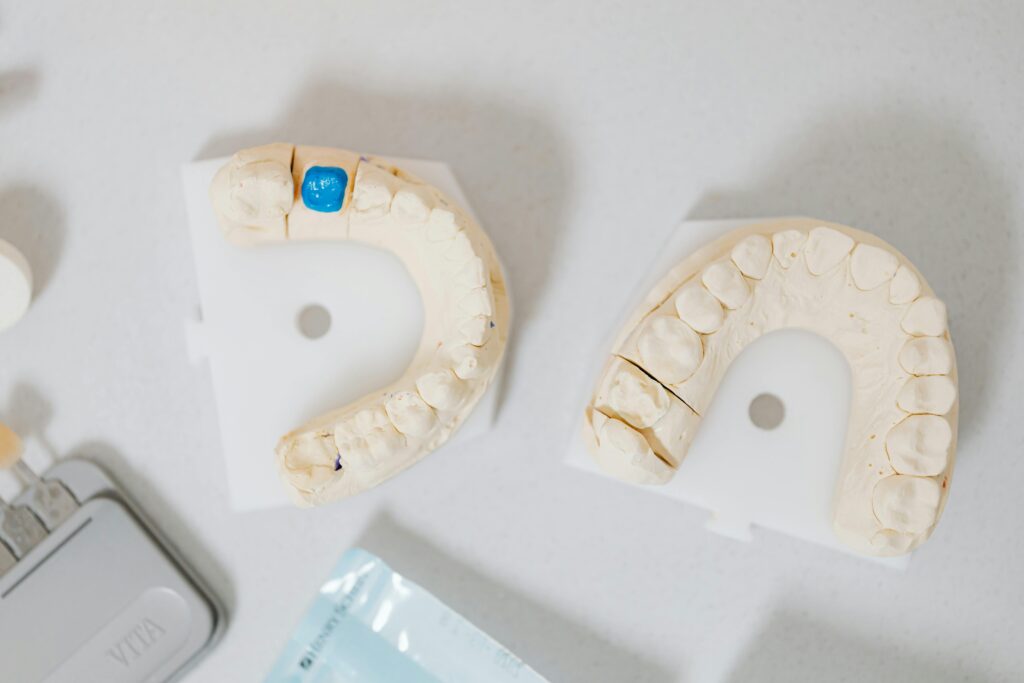
A dental crown is one of the most useful tools in restorative dentistry because it solves a practical problem: a tooth can still be worth saving even when too much structure has been lost for a simple filling. That happens more often than many people expect. A tooth may crack after years of clenching, weaken after a large cavity, or become brittle after root canal therapy. In those moments, the goal is not cosmetic polish alone. The goal is to restore strength, function, comfort, and long term stability.
That is where crowns earn their place.
When patients ask about Dental Crowns Oxnard CA, they are usually asking a bigger question without realizing it. They want to know whether the tooth can be saved, how durable the repair will be, what the treatment will feel like, and whether a crown is truly necessary or just one option among several. A thoughtful answer depends on the condition of the tooth, the bite, the patient’s habits, and the role that tooth plays in chewing.
Restorative dental care is not a single procedure. It is a framework for repairing damage and preserving what still works. Fillings, crowns, bridges, implants, onlays, root canal treatment, and periodontal care often overlap. A crown sits right in the middle of that system because it can reinforce a damaged tooth, anchor other restorations, and help keep the bite balanced.
The job a crown is meant to do
A crown covers the visible portion of a tooth above the gumline. It is custom made to fit over a prepared tooth like a protective shell, though the word shell can make it sound thinner or simpler than it really is. A well made crown is an engineered restoration. It needs to fit tightly at the margin, contact neighboring teeth correctly, withstand chewing forces, and blend with the patient’s bite.
In everyday practice, a crown is recommended when a filling would leave the tooth too fragile. This is common when the tooth has already lost a large percentage of its outer structure. Molars are especially vulnerable because they absorb high bite forces. A back tooth with an old silver filling and cracks running from cusp to cusp may still look serviceable in the mirror, yet one hard bite on ice or a popcorn kernel can split it further.
Crowns also restore predictability. A tooth that has broken once often breaks again if it is only patched. Patients sometimes hope for the smallest, cheapest repair, which is understandable, but there is a point where conservative treatment stops being conservative because it increases the chance of a larger failure later. Saving tooth structure matters. So does choosing a restoration that matches the mechanical demands on that tooth.
Restorative care is about preserving a system, not just one tooth
People tend to think of dental treatment one tooth at a time. Dentists cannot afford to be that narrow. Every tooth participates in a larger system that includes bite alignment, jaw movement, gum support, opposing teeth, and the patient’s chewing pattern. When one tooth weakens or shifts, nearby teeth start compensating.
A crown often helps prevent that domino effect. If a cracked molar is restored before it fractures deeply, the patient may avoid an extraction, a replacement implant, drifting teeth, and years of uneven biting on the opposite side. That is why crowns are not just repair work. They are often preventive within the restorative context.
This is also why timing matters. A tooth rarely sends a polite warning that says, “Treat me in the next three months.” The signs can be subtle: brief pain on release when chewing, sensitivity to cold that lingers, a rough edge, a visible fracture line, or the sense that one side feels unreliable. Many patients adapt around these symptoms for months. By the time they come in, the treatment needed may be more involved than it would have been earlier.
When a crown makes more sense than a filling
The distinction between a filling and a crown is not always obvious to patients because both restore lost tooth structure. The difference is in scale and biomechanics.
A filling works well when decay or damage is limited and the surrounding walls of the tooth remain strong enough to support normal function. A crown becomes more appropriate when those walls are thin, undermined, cracked, or already heavily restored. Think of it this way: a filling repairs a defect inside a tooth, while a crown protects the tooth as a whole.
A common example is a molar with a large existing filling that has been replaced more than once. Each replacement usually requires removing a bit more tooth structure. Over time, what remains may flex under pressure. That flexing invites cracks. At that stage, another filling may satisfy the x ray or the immediate symptom but fail under function.
Front teeth present a different judgment call. If a front tooth has a smaller fracture or discoloration, bonding or a veneer may be enough. If it has had root canal therapy, extensive decay, or repeated trauma, a crown may offer the best combination of strength and esthetics. The right choice depends on how much healthy enamel remains and how the patient bites.
The crown’s role after root canal treatment
Root canal therapy removes infected or inflamed tissue from inside the tooth. It can save a tooth that would otherwise be lost, but it does not restore the tooth’s structural resilience on its own. In fact, teeth that need root canals have often already lost substantial structure from decay, fracture, or old restorations.
That is why crowns are so often paired with root canal treatment, especially for premolars and molars. Once the tooth no longer has a healthy internal pulp and has already been hollowed to some degree by treatment and prior damage, it becomes more susceptible to fracture. A crown helps bind the remaining tooth together and distribute biting forces more safely.
Not every root canal tooth needs a crown. Some front teeth can function well with a more conservative restoration if enough strong enamel remains and bite forces are light. But in the back of the mouth, skipping the crown can be a false economy. Many dentists have seen the same story repeat: the pain is gone after the root canal, the patient delays the crown, and months later the tooth splits beyond repair while chewing something ordinary.
Crowns as anchors in bigger restorative plans
Crowns do not only protect natural teeth. They also serve as building blocks for more complex dental work.
A traditional bridge uses crowns on neighboring teeth to support a replacement tooth in between. In that setting, the crowns are not just caps. They become anchors that share load and maintain spacing. Implant dentistry also depends on crown design. Once an implant integrates with the bone, a custom crown restores visible form and function. The final success depends heavily on how that crown meets the gums, contacts adjacent teeth, and fits the bite.
In full mouth rehabilitation cases, crowns may be used to rebuild worn down teeth and reestablish proper bite height. Those are more advanced situations, often involving long term grinding, acid erosion, or multiple failing restorations. The planning is far more detailed, but the principle is the same. A crown is a structural solution, not merely a cosmetic one.
Materials matter, but material alone does not decide success
Patients often ask whether porcelain, zirconia, or metal is best. The honest answer is that the best material depends on where the crown goes, how the patient chews, how much room there is between the teeth, and what esthetic demands are reasonable.
All ceramic crowns can look excellent, especially in visible areas. Zirconia has become popular for its strength and versatility. Porcelain fused to metal still has a place in some cases, though many practices now prefer metal free options for esthetics. Gold remains one of the most durable restorative materials in posterior teeth, even if fewer patients request it for appearance reasons.
What matters in real life is not just the brochure description of the material. The preparation design, the lab work, the margin fit, the cementation protocol, and the bite adjustment all influence longevity. A beautiful crown on a poorly prepared tooth will not outperform a carefully designed crown made from a less fashionable material. Skilled planning beats marketing language every time.
What the process usually looks like
Most crown treatment follows a straightforward path, though technology can change some details. The tooth is evaluated with an exam and x rays. Decay, cracks, old restorative material, and nerve health are assessed. If the tooth is restorable, it is shaped so the final crown can seat properly without being bulky. An impression or digital scan is taken, and a temporary crown is placed while the final restoration is made.
That temporary stage tells a dentist a lot. If the patient reports persistent pain on biting, unexpected temperature sensitivity, or discomfort in the gum tissue, it can signal a problem that needs attention before the final crown is cemented. Temporary crowns are not glamorous, but they are diagnostically useful.
When the final crown returns, the fit is checked at the margin, between the neighboring teeth, and against the opposing bite. Shade matters in visible teeth, but function matters everywhere. A crown that is slightly too high can cause soreness, headaches, or sensitivity. A crown with an open contact can trap food. A margin that is hard to clean can irritate the gum tissue. Fine adjustments are not cosmetic fussing. They are part of what makes the restoration feel natural.
Some offices offer same day crowns using in house scanning and milling systems. These can be excellent in selected cases, particularly when the bite is straightforward and the clinical setup is appropriate. Traditional lab fabricated crowns still offer advantages in certain esthetic or technically demanding cases. There is no single superior workflow for every patient.
What patients in Oxnard often want to know first
In a place like Oxnard, where families are balancing schedules, budgets, and long term health decisions, most questions about crowns come down to durability and necessity. People want to know whether they can wait, whether the tooth can simply be filled again, and how long a crown should last.
Those are fair questions. Crowns are an investment of time and money, and no ethical dentist should treat them casually. A well maintained crown can last many years, often well beyond a decade, but no restoration comes with a lifetime guarantee because mouths are dynamic. Grinding, shifting bite patterns, gum recession, decay at the margin, and trauma all affect lifespan. The patient who clenches at night and skips cleanings has a different risk profile than the patient with a stable bite and excellent home care.
This is where the phrase Dental Crowns Oxnard CA should mean more than a local service listing. It should signal individualized treatment. The right crown for a retired patient with a low force bite and meticulous hygiene may differ from the right crown for a younger patient who grinds heavily, drinks acidic sports beverages, and has already chipped several restorations.
The trade-offs patients should hear about clearly
Crown treatment has benefits, but good care includes plain talk about limitations. A crown requires reshaping the tooth. Once that is done, the tooth will always need full coverage or another substantial restoration. If the tooth’s nerve is already irritated, symptoms may settle after the crown or may progress to needing root canal therapy. Both outcomes occur in practice, especially with teeth that were already compromised before treatment.
Crowns can also fail. Cement can wash out. Porcelain can chip. Decay can form at the edge if plaque control is poor. Teeth underneath crowns can fracture if the remaining root structure is weak. None of this means crowns are unreliable. It means they are part of biology, not machine parts bolted onto steel.
The best conversations happen before treatment, not after a surprise. If a tooth has a guarded prognosis because of a deep crack or limited remaining structure, the patient deserves to know that. Sometimes the choice is between trying to save a tooth with a crown and post versus removing it and planning an implant. Those decisions are not one size fits all. Medical history, cost, healing timeline, and patient preference all matter.
A well designed crown should disappear into daily life
The ideal crown is the one a patient stops noticing. It should feel normal when chewing, easy to floss around, and smooth against the tongue. The gum should adapt to it rather than remain chronically irritated. That takes precision. It also takes follow through at home.
After placement, some mild tenderness around the gum is common for a short time. Persistent biting pain is not something to ignore. Neither is recurrent sensitivity several weeks later. Sometimes a small bite adjustment solves the issue. Sometimes the Dental Crowns Oxnard CA tooth Dental Crowns Oxnard CA is telling a more complicated story. Early review usually prevents prolonged discomfort.
Daily care is simple in principle and easy to neglect in practice. Crowns still need brushing, flossing, and routine checkups because the tooth beneath them is still vulnerable where natural tooth meets restoration. Many crown failures begin at the margin, not in the middle of the ceramic. Patients are often surprised by that. They assume a crowned tooth is protected everywhere. It is protected structurally, but it still depends on gum health and plaque control.
Why the bite matters more than many people realize
Some of the worst crown failures are not caused by the crown itself. They are caused by force. A patient with bruxism can fracture porcelain, loosen cement, or create microcracks in the underlying tooth even when the crown is well made. You can often spot the pattern in flattened teeth, scalloped tongue edges, jaw soreness, or a history of broken fillings.
In those cases, the crown is necessary but not sufficient. A night guard may be strongly recommended to protect the investment and reduce stress on the restored tooth. This is one of those details that separates short term repair from comprehensive restorative care. The crown fixes the damaged tooth. The guard helps address the habit that damaged it.
Bite problems also show up after years of uneven wear. One crown placed into a chaotic bite may bear too much load unless the overall occlusion is considered. That does not mean every patient needs full mouth reconstruction. It means the dentist should think beyond the isolated tooth.
When a crown is not the best answer
A balanced discussion should also cover the situations where a crown may not be appropriate. If the crack extends too far below the gumline, the tooth may not be restorable. If decay reaches deep below bone level, the support needed for a predictable margin may be missing. If the tooth has almost no remaining ferrule, meaning the band of sound tooth structure needed for support, a crown can become an expensive temporary solution rather than a reliable one.
Sometimes a partial coverage restoration such as an onlay preserves more healthy tooth while still strengthening the tooth adequately. Sometimes extraction and replacement offer a better long term prognosis than heroic efforts to save a badly compromised tooth. Experienced restorative care depends on making those calls honestly, not automatically defaulting to the most familiar procedure.
The practical value of choosing care before a tooth becomes an emergency
Many patients first hear the word crown during a dental emergency. A piece breaks off, chewing becomes painful, or a filling falls out before a trip or major event. Urgent care can stabilize the situation, but crowns work best when planned rather than rushed. Proper diagnosis, material selection, and bite evaluation matter more when the goal is to make the restoration last.
That is why regular exams still matter even for people who feel fine. Cracks can be caught earlier. Margins can be monitored. Teeth with large aging restorations can be discussed before they become urgent. Restorative dentistry is at its best when it stays a step ahead of failure.
For patients exploring Dental Crowns Oxnard CA, that is the most useful frame to keep in mind. A crown is not simply a cap placed over a bad tooth. It is a strategic restoration that protects structure, supports function, and often prevents a much larger problem. When used judiciously and designed well, it becomes one of the most dependable ways to keep a natural tooth working comfortably for years.
Omni Dental Specialty
1690 E Gonzales Rd
Oxnard, CA 93036, United States
Phone: +1 805-410-9603
FAQ About Dental Crowns Oxnard CA
What is the average cost of a crown in California?
The fee depends on the crown material, tooth condition and any additional treatment. Request an itemized estimate from Omni Dental Specialty after an examination, and confirm insurance benefits before scheduling.
How long do dental crowns last?
Longevity varies with the material, fit, oral hygiene and biting habits. Regular dental reviews help identify wear, damage or decay. A crown does not need replacement solely because it reaches a particular age.
Do teeth go bad under crowns?
Decay can develop in the remaining natural tooth, particularly near the crown margin. Brush with fluoride toothpaste, clean between teeth daily and keep dental appointments. Report new pain or looseness promptly.
Which crown is best for bruxism?
No material suits everyone. Your dentist assesses grinding, tooth position, bite forces and appearance before recommending a crown. A protective appliance may also be recommended to manage stress on the restoration.