Dental Crowns for Smile Restoration After Injury
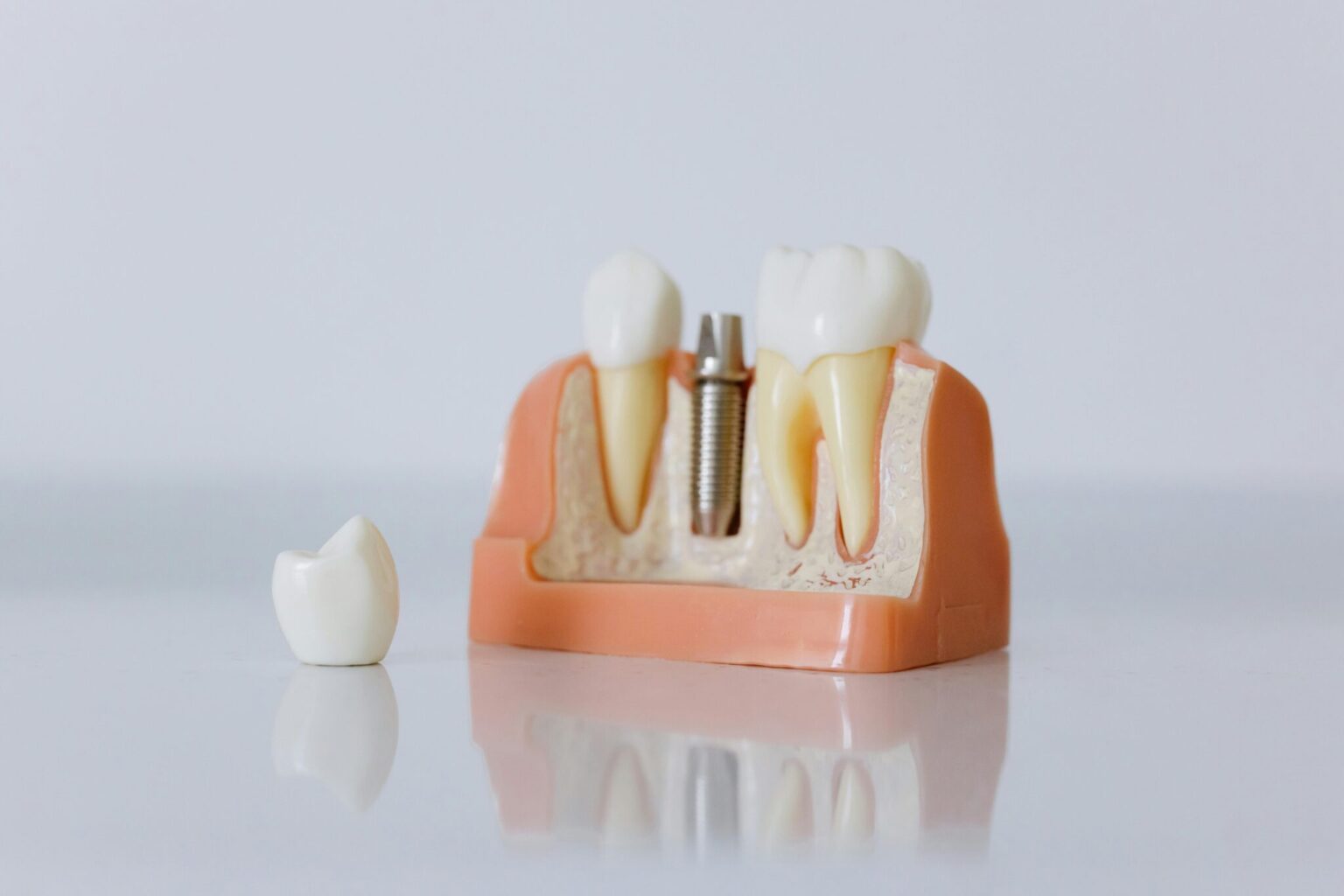
A damaged front tooth can change a person’s day faster than almost any other dental problem. One missed catch at a weekend game, a fall on wet pavement, an elbow during basketball, a cycling crash, even biting down on something unexpectedly hard, and suddenly the mirror shows a chip, a fracture line, or a tooth that no longer looks or feels stable. The physical damage matters, but so does the social impact. People often cover their mouth when they laugh, avoid photos, or start speaking differently within hours of the injury.
When the tooth can be saved, dental crowns often become one of the most reliable ways to restore appearance, strength, and confidence. They are not the answer to every traumatic injury, and they are not interchangeable with fillings, veneers, or implants. But in the right case, a crown can return a damaged tooth to function in a way that feels remarkably normal.
The key is understanding what a crown can do after trauma, when it is appropriate, and how treatment choices affect the long-term health of the tooth underneath.
What injury does to a tooth, beyond the part you can see
After an accident, patients usually focus on the visible break. That makes sense. A jagged edge on a front tooth is hard to ignore. Yet trauma often affects more than enamel. A blow can crack dentin, bruise the ligament around the root, inflame or damage the pulp, and in some cases cause tiny fractures below the gumline that are not obvious on day one.
This is why a tooth that looks only modestly chipped may later become painful, discolored, or loose. It is also why the first treatment plan is not always the final one. Dentists often need to assess the tooth’s vitality, check how the bite has shifted, and monitor healing before deciding whether a conservative repair will hold or whether a full-coverage restoration is the safer route.
Dental Crowns are especially useful when the injury has left too little healthy structure for a bonded filling alone, or when the tooth needs reinforcement because of cracking, large previous restorations, or root canal treatment after the trauma.
Why crowns are often chosen for smile restoration
A crown covers the visible part of the tooth and is shaped to restore its contour, contact with neighboring teeth, and bite relationship with the opposing arch. In practical terms, that means it can make a broken tooth look whole again while also protecting what remains.
For trauma cases, this dual role matters. Cosmetic repair by itself is not enough if the tooth is at risk of splitting further. On the other hand, pure strength is not enough for a smile tooth. The restoration has to reflect light well, blend with adjacent teeth, and sit naturally at the gumline. A well-made crown addresses both.
There is a noticeable difference between restoring a tooth damaged by decay and restoring one injured suddenly in an accident. Trauma patients are often younger, may have otherwise healthy teeth, and may be emotionally rattled by the event. They want answers quickly, but they also need a treatment plan that does not sacrifice more tooth structure than necessary. In those situations, crown planning becomes a matter of judgment, not just mechanics.
When a crown makes sense, and when it does not
A crown is not the automatic next step after every injury. If a tooth has a small chip affecting only enamel, careful bonding may preserve more natural tooth and still look excellent. If the fracture is catastrophic and extends deep below the bone, saving the tooth may not be predictable at all. Between those extremes lies the range where crowns do their best work.
A crown is commonly considered when a front or back tooth has lost a significant amount of structure, when crack lines raise concern about future breakage, when an injured tooth has undergone root canal therapy, or when repeated bonding repairs are likely to fail because the missing area is too large or the bite forces are too high.
One of the more difficult conversations in practice involves the patient who wants the least invasive fix, but whose tooth is giving off warning signs. For example, a central incisor fractured after a scooter accident may be rebuilt with composite in a single visit, and at first glance that seems ideal. But if half the tooth is gone, the bite is edge to edge, and there is evidence of pulpal trauma, a crown may ultimately be the more durable and biologically sensible option. The conservative choice in the short term is not always the conservative choice over ten years.
The first visit after injury
In acute injuries, the immediate goal is diagnosis and stabilization. Dentists typically check for mobility, sensitivity, exposed dentin, pulpal exposure, root fracture, and changes in bite. X-rays help, though they do not reveal every crack. Photographs are often useful, especially if treatment will be staged.
If the tooth is sharp or visibly fractured, temporary smoothing or bonding can protect the area and improve appearance while the tooth is evaluated further. This matters because teeth that have been hit hard may not declare their full condition immediately. A nerve can test normal at first and then become non-vital weeks later. A crown placed too early, before the prognosis is clear, can complicate matters.
That does not mean treatment should be delayed casually. It means the timing should fit the injury. In some cases, the crown is part of the initial definitive care. In others, a dentist may place a temporary restoration, watch for healing, and move to a permanent crown once the tooth has stabilized.
Crown materials and how they affect the result
Material choice changes both the look and the lifespan of the restoration. For smile-zone teeth, all-ceramic crowns are often preferred because they transmit light more naturally than older metal-based options. Lithium disilicate and zirconia-based ceramics are common choices, each with strengths and trade-offs.
Lithium disilicate can look exceptionally natural, particularly in front teeth where translucency matters. It is often chosen when esthetics take priority and the case allows for it. Zirconia is stronger and may be favored when the patient has a heavy bite, a history of grinding, or limited room for the restoration. Newer multilayer zirconia has improved visually, though in the most demanding cosmetic cases some clinicians still prefer materials with more lifelike optical properties.
Porcelain fused to metal crowns still have a place in certain situations, but for visible front teeth many patients prefer metal-free options. The older style can be durable, yet over time it may show a dark margin if the gums recede or if the underlying metal affects the way light passes through the crown.
The right choice depends on the tooth, the fracture pattern, the bite, gum levels, and the neighboring teeth. A crown that looks beautiful on a shade tab may look flat or opaque next to a naturally translucent lateral incisor. This Dental Crowns Omni Dental Specialty is where detailed shade matching, photographs, and communication with the lab make a real difference.
The challenge of matching one front tooth
Restoring a single injured front tooth is often harder than restoring several teeth at once. Natural front teeth are not a single color. They have subtle variation from the gumline to the edge, areas of translucency, faint internal character, and differences in surface texture that catch the light. Reproducing all of that in one crown, while keeping it in harmony with the opposite central incisor, takes planning.
Patients are sometimes surprised that the technical side of crown fabrication matters as much as the preparation itself. A rushed impression, limited shade records, or no communication about the patient’s expectations can lead to a crown that is clinically acceptable but visually off. It may be too bright, too gray, too bulky, too flat, or just slightly different enough that the eye goes straight to it.
In the best trauma cases, the restorative team slows down where it counts. Good clinical photos, notes about how the tooth looked before the accident if available, and close attention to symmetry all improve the final result. If the injured tooth darkened after nerve damage, that complicates the process further. Sometimes internal bleaching or additional masking strategies are needed before the final crown can blend well.
If the tooth needs a root canal first
Trauma and root canal therapy often go together. When the pulp has been irreversibly damaged, treatment shifts from trying to preserve vitality to preserving the tooth itself. Once the infection risk is controlled and the canal is treated, a crown may be recommended to rebuild and protect the remaining structure.
Front teeth that have had root canals after trauma are not all identical. Some still have enough sound structure for a bonded restoration. Others need a post and core to support the final crown because too much of the clinical crown has been lost. This is one of those areas where there is no virtue in overgeneralizing. A post does not strengthen a tooth by magic. In fact, unnecessary post placement can create stress in the root. Its purpose is retention for the build-up when natural tooth structure is insufficient.
The long-term outlook depends on ferrule, which is the band of sound tooth structure above the gumline that helps resist fracture. If enough ferrule is present, a crowned tooth after root canal treatment can function well for many years. If it is absent, the risk of failure rises even if the crown itself looks excellent.
The treatment process, what patients can realistically expect
Most crown cases after injury involve at least two visits, though digital workflows can change the timeline. The first major appointment usually includes numbing the tooth, reshaping it to create space for the crown material, and taking a scan or impression. A temporary crown is then placed to protect the tooth and maintain appearance.
Temporary crowns deserve more respect than they often get. In anterior trauma cases, they serve as a preview of shape and length. They also protect sensitive dentin and help the gum tissue heal around the new contours. If the temporary feels too long, catches on the lip, or looks asymmetrical, those details are worth discussing before the final crown is made.
The second visit is about fit, color, contacts, and bite. A crown can be flawless on the model and still need refinement in the mouth. Tiny discrepancies matter, especially in the front. If the crown hits too hard when the patient slides forward or bites on one side, it may chip, loosen, or place harmful stress on the root over time.
A careful cementation appointment is often the difference between a crown that simply fills the gap and one that feels like part of the person again.
Recovery and the first few weeks
Patients usually do well after crown placement, but normal does not mean nothing is felt. Mild soreness at the gumline, brief temperature sensitivity, or a strange awareness of the new tooth is common for a short period. The brain is very good at detecting small changes in bite and contour. Most patients adapt quickly if the crown is properly adjusted.
There are a few signs that should not be brushed aside:
- Pain that increases rather than settles
- A bite that feels high or uneven after several days
- Gum swelling or bleeding around the crown margin
- A crown that feels loose or shifts when chewing
- Persistent sensitivity that interferes with eating or sleeping
Prompt follow-up can prevent a small problem from turning into a larger one. A two-minute bite adjustment often solves symptoms that would otherwise lead to weeks of frustration.
Longevity, maintenance, and what shortens crown life
Crowns do not last forever, but they can last a long time with proper planning and maintenance. In broad terms, many crowns function well for ten to fifteen years or more, though some fail earlier and some last much longer. Trauma history, bite forces, oral hygiene, grinding habits, and the amount of remaining tooth structure all influence the outcome.
It helps to remember that the crown is only part of the equation. The cement seal, the tooth underneath, and the surrounding gum and bone matter just as much. A crown cannot protect a tooth from decay if plaque accumulates at the margin every day. It cannot overcome untreated clenching that repeatedly overloads the restoration.
Night guards are often part of the conversation, especially for patients who grind. This recommendation is sometimes met with skepticism because the original injury was a sports fall or an accident, not nighttime bruxism. But once a tooth has been structurally compromised and restored, protecting it from chronic overload makes practical sense.
Maintenance is not complicated, but it is specific. Brushing thoroughly at the gumline, cleaning between the teeth, and keeping recall visits matter more than buying exotic dental products. A crown fails quietly before it fails dramatically. Early margin leakage, a chip at the edge, or inflammation from a rough contour can often be managed if caught in time.
How crowns compare with other options after an injury
Patients frequently ask whether a veneer would be more conservative, whether bonding would be less expensive, or whether extraction and implant placement would be more definitive. Those are fair questions.
Bonding is often quicker and less invasive, and in small to moderate fractures it can be an excellent solution. Its weakness is durability in larger restorations, especially where biting edges take repeated force. Veneers preserve more tooth than crowns in selected cosmetic cases, but they are not ideal when trauma has already removed substantial structure or left the tooth weakened from multiple sides. Implants are valuable when a tooth cannot be saved predictably, but replacing a natural tooth with an implant is not automatically the superior choice. A savable natural tooth, even one that needs a crown, is often worth preserving.
The decision is rarely about which treatment sounds most advanced. It is about which one best fits the biology and mechanics of that specific tooth.
Cost, insurance, and the hidden value question
The financial side of traumatic dental care is real, and it affects decisions more often than many clinicians admit. Crown fees vary by region, material, and case complexity. A straightforward posterior crown is not priced the same as a front tooth case requiring custom shading, provisional refinement, possible endodontic treatment, and detailed lab work.
Insurance may help, especially when the restoration is clearly tied to trauma and function, but cosmetic elements are not always covered the way patients hope. This can create a mismatch between what the mouth needs and what the policy supports. It is worth discussing estimates, alternatives, and staging before treatment begins.
The cheapest acceptable option can become the most expensive one if it fails quickly, compromises adjacent teeth, or leaves the patient dissatisfied with the appearance. At the same time, the most expensive option is not always the wisest if a simpler repair will serve well. Good treatment planning balances budget with prognosis rather than pretending cost does not matter.
Special considerations for children, teens, and young adults
Younger patients deserve special caution. After injury, a permanent front tooth in a teenager may not be a good immediate candidate for a full crown if the pulp status is uncertain, the gums are still changing, or the tooth is simply too intact to justify aggressive preparation. In these cases, dentists often lean toward bonded interim solutions and reassessment over time.
That is not indecision. It is restraint. A crown placed too early on a developing dentition can create esthetic and periodontal challenges later. The tooth that looks stable at sixteen may sit very differently against the gumline by the early twenties.
For young adults in sports, custom mouthguards are also worth emphasizing after any traumatic event. Once someone has learned firsthand how fast a dental injury can happen, prevention tends to make more sense than it did before.
What patients often wish they had known earlier
After a visible tooth injury, many people assume speed is everything. Fast treatment does matter, especially when there is pain or exposed tooth structure. But the better mindset is not rush at all costs. It is timely care with careful diagnosis.
Patients also often underestimate how much the bite influences success. They may judge the crown purely by color and shape, while the dentist is paying equal attention to the contact points and the way the tooth moves against its neighbors. That hidden engineering is what lets the beautiful result stay beautiful.
Another common surprise is that a crown can restore a smile without making the tooth indestructible. A crowned tooth should still be respected. Ice chewing, opening packaging with teeth, or going without a night guard despite obvious grinding are avoidable ways to shorten its life.
Restoring more than the tooth
When a crown succeeds after injury, the effect is larger than the restoration itself. People eat normally again. They smile without planning the angle. They stop checking the mirror every time they pass one. For many, the emotional shift is as significant as the physical repair.
That is one reason trauma dentistry can feel especially meaningful. The work is technical, yes, but it is also deeply personal. A dental crown is not just a cap placed over damage. In the right case, it is the point where a fractured, vulnerable tooth Dental Crowns becomes functional, stable, and socially invisible again, which is often exactly what the patient wants most.
For anyone facing treatment after a dental injury, the central question is not whether crowns are good or bad in the abstract. It is whether this tooth, with this pattern of damage, in this bite, at this stage of healing, will be best served by one. When the answer is yes, a well-planned crown remains one of the most dependable tools dentistry has for restoring a smile after injury.
Omni Dental Specialty
1690 E Gonzales Rd, Oxnard, CA 93036, United States
+1 805-410-9603
FAQ About Dental Crowns
How long do crowns last on teeth?
A dental crown often lasts about five to fifteen years, although some last longer. Material, the underlying tooth, oral hygiene and grinding habits affect longevity. Regular dental examinations help identify wear, decay or a loose crown; no lifespan is guaranteed.
How much does a tooth crown cost?
There is no single price for every crown. Material, laboratory work, the condition of the tooth and any additional treatment affect the fee. Ask for a written estimate and confirm your insurance benefits, exclusions and out-of-pocket costs before treatment.
What is the downside of crowns on teeth?
A conventional crown usually requires irreversible removal of some tooth structure. Possible problems include sensitivity, chipping, loosening and decay at the crown margin; some teeth later need root canal treatment. Discuss your tooth's condition, material choices and suitable alternatives with your dentist.